 Forró Den Haag
What is Forró?
Forró (pronounced ‘Fo-ho’) is a popular Brazilian music and dance genre that's a truly vibrant part of the country's culture. Born in Brazil's northeastern region, forró is a beautiful mix of Indigenous, African, and European influences. It's a style so unique and beloved that it's now officially recognized as a national Cultural Heritage.
The term forró first appeared in writing back in 1833, used to describe a type of party or festivity. Over time, that word came to define a combination of musical rhythms. According to the book What is Forró? by Ivan Dias and Sandro Dupan, the main rhythms that fall under the Forró Pé de Serra genre include xote, baião, xaxado, forró, and arrastapé. There are also distinct branches of the music that have developed over time, such as Forró MPB (1970s), Forró Eletrônico (1990s), and Forró Universitário (1999), and more recently, Piseiro (2010’s).
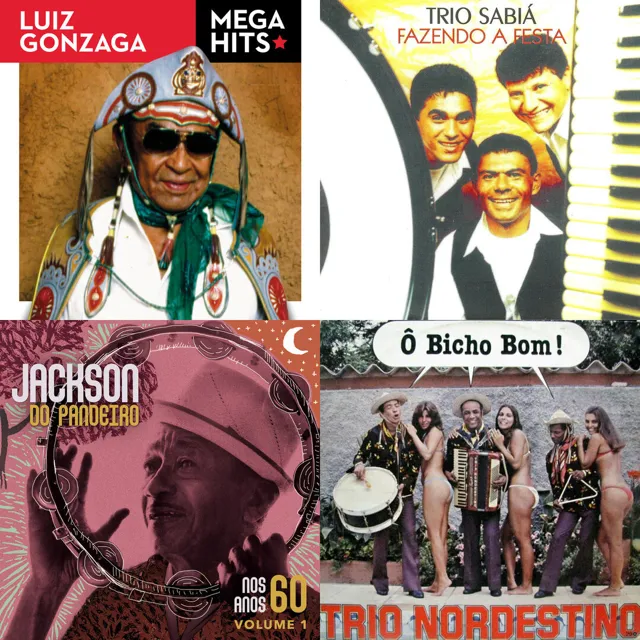 Music on TIDALForró PlaylistPlaylist · 79 items
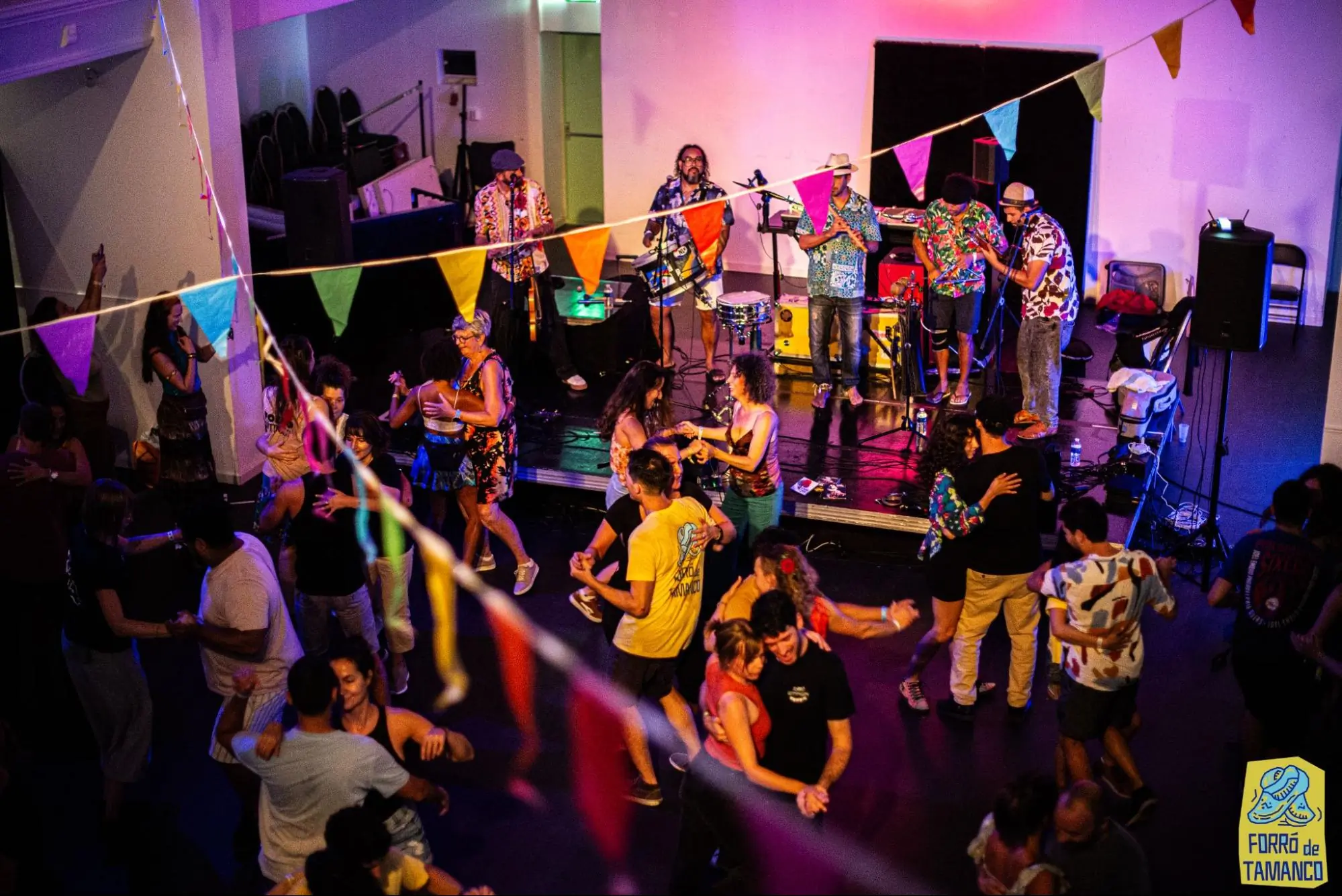
Today, there are many different styles of dance, in The Hague we work mostly with Forró Universitário and Forró Roots, but you will also get introduced to elements of other styles. Forró Universitário incorporates more turns and arm figures. In contrast, Forró Roots focuses on movements within the closed embrace and places a greater emphasis on body connection and footwork. The varying rhythms and styles of forró allow the dance to shift from slow and relaxed to fast and energetic. This provides an opportunity for dancers to connect with each other and express themselves with a strong sense of joy and unity.
Forró universitário
Forró Roots